10 Best Mineral Bags Suppliers for Global Buyers
Choosing a reliable Mineral Bags Supplier can directly affect product protection, transport efficiency, and customer satisfaction. Global buyers need more than attractive catalogs or low quotations. They should examine bag construction, raw materials, printing quality, production capacity, and delivery consistency. This guide introduces 10 leading mineral bags suppliers for international purchasing decisions.
Each supplier should be assessed against practical requirements. These may include woven polypropylene strength, kraft paper layers, inner liners, valve design, stitching quality, and moisture resistance. A bag filled with cement, lime, gypsum, or other dry minerals must remain stable during stacking and long-distance shipment. Details matter. Proof matters more.
Experienced buyers often request samples before approving large orders. They may also review factory audits, load-testing records, quality-control procedures, and export documentation. Clear communication is equally important, especially when discussing bag dimensions, filling methods, pallet patterns, and container loading. A polished website does not prove manufacturing reliability. Real evidence does.
No supplier is perfect for every market. One company may offer excellent customization but longer lead times. Another may provide competitive pricing while offering fewer printing options. These trade-offs deserve careful reflection. Buyers can also overlook hidden costs, such as reinforced packaging, tooling fees, inspection charges, or port delays. This overview therefore focuses on practical supplier strengths, potential limitations, and useful selection criteria. It aims to support informed decisions without exaggerating performance. Before signing a contract, buyers should verify current specifications, certifications, production capacity, and delivery terms directly with each supplier.
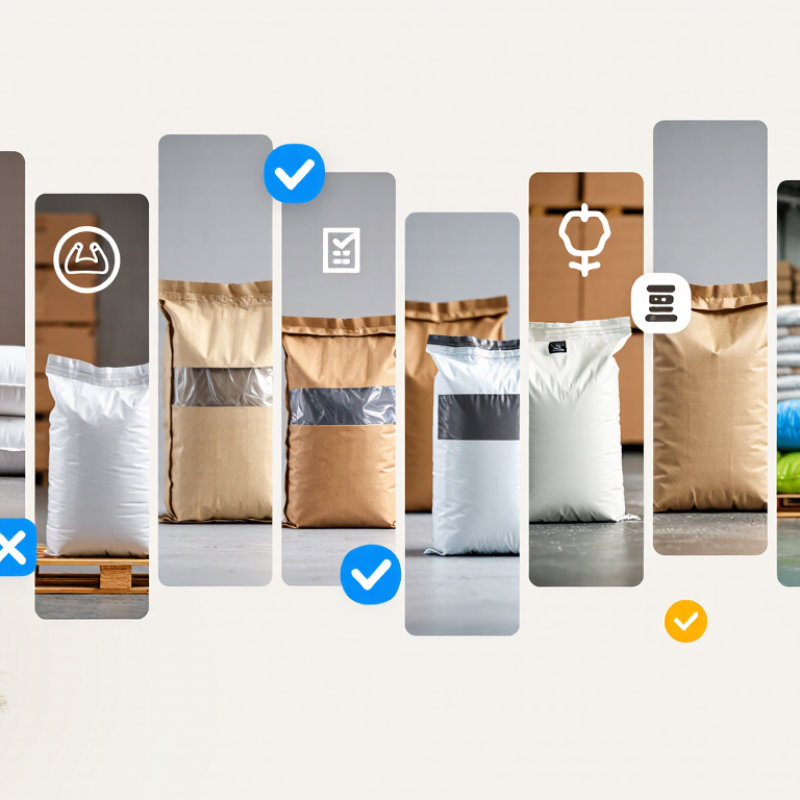
What Are Mineral Bags and Why Are They Important for Global Buyers?
Mineral bags are industrial packages designed to hold powdered or granular materials, including calcium carbonate, gypsum, and construction minerals. They may use woven polypropylene, multi-layer paper, or polyethylene liners. Each structure manages a different risk.
Moisture protection matters greatly. A damp mineral powder can form hard lumps during ocean transport. Fine particles can also escape through weak seams, creating product loss and unsafe dust. Good bags support clean filling, stable stacking, and accurate weighing. They also reduce handling problems at busy ports and warehouses.
Global buyers should request material specifications, seam-strength results, drop-test records, and production traceability. A practical supplier can provide samples that match the intended filling machine. Test them in realistic conditions, including humidity, pallet pressure, and forklift movement. I have found that a bag performing well in a dry warehouse may fail after several weeks at sea. That detail is easy to overlook.
The right supplier should explain liner thickness, closure options, printing limits, and recycling considerations clearly. Certification documents help, but they cannot replace physical testing. A perfect specification on paper may still produce torn corners or slow filling. Over-specifying the bag wastes money, while under-specifying it causes spills and rejected shipments. The best choice balances protection, handling speed, compliance needs, and total delivered cost.
Key Criteria for Evaluating International Mineral Bag Suppliers
Choosing among the 10 best mineral bag suppliers requires more than comparing prices. International buyers should examine material strength, seam quality, print accuracy, and moisture resistance. A reliable supplier can provide recent test reports, production samples, and clear specifications. Ask whether the bag performs well with heavy mineral powder, sharp granules, or long warehouse storage.
Supplier experience matters. Review export history, production capacity, quality-control procedures, and response times. Independent certifications can support credibility, but documents should remain current and verifiable. Check the supplier’s packaging, loading methods, and shipping records. Small details matter, such as pallet stability and protection from rain. Total landed cost is more useful than the factory price alone. It includes tooling, inspection, freight, duties, and possible replacement costs. A polished website proves little. I have seen attractive samples hide weak stitching. That risk deserves attention.
Tips: Request samples from the same production line used for your order. Test filled bags under stacking pressure and movement. Confirm dimensions, weight tolerance, labeling rules, and delivery terms in writing. Ask for a corrective-action process when defects appear. Communication quality is also evidence of reliability. Slow or vague replies may create larger problems later. Still, no supplier is perfect. Leave room for independent inspection and reassess performance after the first shipment.
10 Leading Mineral Bag Suppliers Serving Global Markets
Leading mineral bag suppliers serving global markets understand that packaging must survive more than a warehouse shelf. Their bags handle cement, limestone, silica, fertilizers, and other dry mineral materials. A reliable supplier offers woven polypropylene, paper, or laminated structures matched to product weight and filling equipment. Small details matter. Stitch strength, valve design, moisture resistance, and pallet stability can prevent costly losses.
Experienced suppliers usually provide technical data sheets, sample testing, and production inspections. Buyers should request burst strength results, seam performance, and dimensional tolerances. Ask how the bags perform during container transport across humid or cold regions. A supplier with export experience can explain labeling, pallet requirements, documentation, and destination-market packaging rules. Clear communication helps, especially when specifications change late.
No supplier is perfect. That matters. A polished sample may not represent every production batch. Buyers should compare factory capacity, quality-control records, lead times, and corrective-action procedures. Independent testing can verify claims when the material is dusty, abrasive, or unusually heavy. One practical trial may reveal more than a long sales presentation. I have seen packaging decisions fail because teams focused on unit price and ignored filling speed. The cheapest bag can create slower production, damaged pallets, or customer complaints. Strong global suppliers remain transparent about these risks and adapt designs when field feedback exposes a weakness.
Comparing Materials, Customization, Quality, and Pricing
10 Best Mineral Bags Suppliers for Global Buyers
When comparing mineral bag suppliers, material selection should match the product and transport route. Woven polypropylene offers strong tear resistance for heavy minerals. Paper bags provide a cleaner, more natural appearance. A polyethylene liner helps protect fine powder from humidity. For long sea shipments, moisture protection matters more than a slightly lower unit price. Check fabric weight, seam strength, liner thickness, and valve performance before placing a large order.
Customization should be practical, not merely attractive. Suppliers may adjust bag size, handles, printing, closure type, and pallet packing. Ask for a physical sample with your actual filling equipment. Small changes can affect loading speed. I have seen attractive samples fail during stacking because the bottom seam was too weak. That mistake is avoidable. Reliable suppliers should provide production records, inspection procedures, and test results for tensile strength and drop resistance. Independent inspection can add confidence for international buyers.
Pricing needs a complete comparison. Request separate figures for material, printing plates, liners, shipping, tooling, and inspection. A low quotation may exclude important costs. Compare the delivered price, not only the factory price. Suppliers with consistent quality often reduce damaged goods and replacement orders. Still, quality claims should be tested, not accepted blindly. A few suppliers may offer excellent customization but limited production capacity. Ask about lead times during peak seasons, minimum order quantities, and how they handle rejected bags. Clear answers are valuable. Small details often reveal operational reliability.
10 Best Mineral Bags Suppliers for Global Buyers
Anonymous supplier profiles are compared across material suitability, customization capability, quality consistency, export readiness, and price competitiveness. Scores use a 1–10 procurement benchmark, where higher values indicate stronger performance.
How to Choose the Right Mineral Bag Supplier for Your Needs
10 Best Mineral Bags Suppliers for Global Buyers
How to Choose the Right Mineral Bag Supplier for Your Needs
Choosing the right supplier begins with material behavior, not catalog photos. Ask about mineral density, particle size, moisture sensitivity, and filling temperature. A fine powder may leak through weak seams. Damp material may harden inside the bag. Request samples filled with a comparable mineral. Inspect seams, valve closure, and outer layers after handling. Keep a simple record of test results.
Evaluate manufacturing control and supporting evidence. A dependable supplier should explain fabric construction, liner thickness, bag weight, stitching method, and allowable tolerances. Ask for recent test reports, batch traceability, and documented quality checks. If answers remain vague, pause. Factory audits, video inspections, or independent testing can reveal inconsistent stitching and poor pallet protection. Photos alone are not enough.
Compare more than unit price. Calculate filling efficiency, pallet count, freight volume, storage conditions, and disposal requirements. Confirm minimum order quantities, sample timing, production capacity, and delay communication. Check whether dimensions can change without weakening the bag. One overlooked detail matters: a small valve change can slow an entire packing line. Specifications can pass review yet fail during loading. A pilot shipment deserves real handling. No checklist is perfect. Revisit it after the first delivery.