2026 How to Optimize Global Packaging for Sustainability and Efficiency?
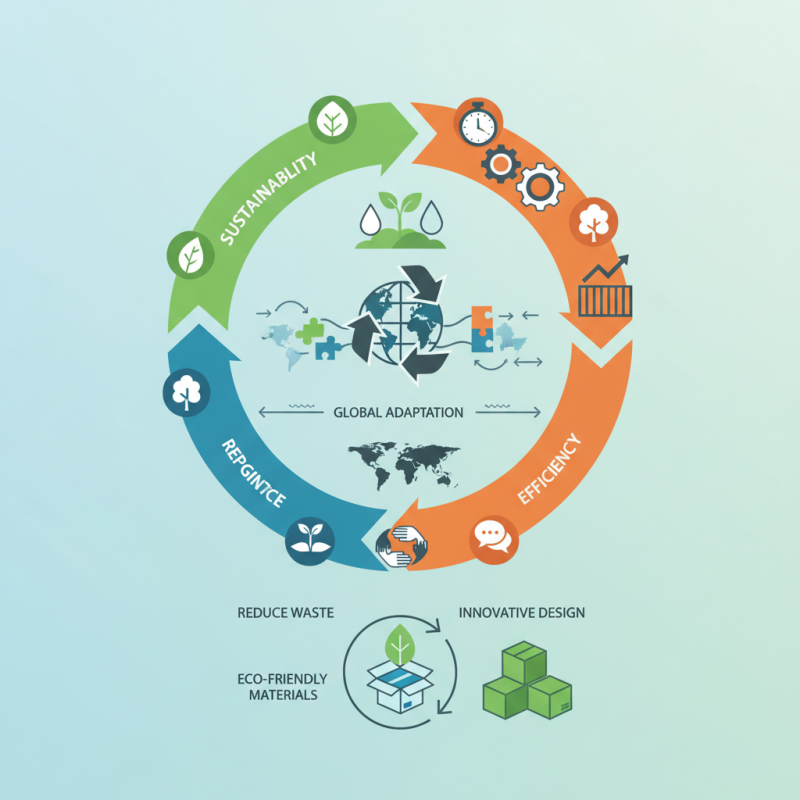
As we move toward a more sustainable future, optimizing global packaging becomes crucial. The demand for eco-friendly solutions grows. Companies face pressure to reduce waste and enhance efficiency. Global packaging strategies must adapt to these changes.
Sustainability is not just a trend; it is essential for survival. Brands explore materials that minimize environmental impact. Innovative designs can improve logistics and reduce costs. However, challenges arise. Proper sourcing and recycling deeply affect global packaging efforts.
Recognizing the importance of local contexts is vital. What works in one region may not apply globally. Striking a balance between efficiency and sustainability requires collaboration. Stakeholders must share best practices and experiences. By learning from each other, the industry can make strides toward effective global packaging solutions.
Strategies for Reducing Packaging Waste in the Global Market
Packaging waste is a growing concern in the global market. According to a recent report by the World Economic Forum, around 300 million tons of plastic waste are produced every year, a significant portion of which comes from packaging. This staggering statistic highlights the urgent need for strategic changes.
One effective strategy involves utilizing recyclable materials. The Ellen MacArthur Foundation emphasizes that using recycled content can reduce packaging waste. They report that transitioning to recyclable options could cut environmental impacts by up to 50%. However, many companies still struggle to incorporate these materials effectively. Ongoing research is essential to understand consumer perceptions and the feasibility of such transitions.
Optimizing design for packaging is another area needing attention. Studies reveal that minimalistic designs can lower waste significantly. Yet, businesses often opt for elaborate packaging to enhance aesthetic appeal. This creates a paradox where aesthetics compete with sustainability. It’s crucial to balance these elements and innovate sustainably, focusing on both functionality and waste reduction. The journey toward sustainable packaging remains complex and requires constant reflection and adaptation.
Innovative Materials for Sustainable Packaging Solutions in 2026
In 2026, the push for sustainability in packaging is stronger than ever.
Innovative materials are at the forefront of this movement. According to a 2022 report by Smithers Pira,
the sustainable packaging market is expected to reach $600 billion
by 2024. This signals a significant shift towards eco-friendly options.
Bioplastics, derived from renewable sources, are gaining traction.
They reduce dependency on fossil fuels and can biodegrade, addressing pollution concerns.
Many companies are experimenting with mushroom-based packaging. This material is not only sustainable but also compostable.
Additionally, advancements in paper and cardboard materials, treated for moisture resistance, are becoming increasingly popular.
This shift could save an estimated 12 million tons of plastic by 2025,
according to a report by the World Economic Forum.
Tip: Evaluate your current packaging materials.
Consider how biodegradable options could fit into your strategy.
Sustainability isn't solely about materials. It's also about efficiency in design and distribution.
Minimalist packaging reduces waste and transportation costs.
However, it's a challenge to balance protection and sustainability.
Effective collaboration with suppliers can drive innovation, but it's crucial to remain mindful of
the environmental impact throughout the supply chain.
Tip: Engage with supply chain partners to explore
cost-effective sustainable solutions.
The Role of Circular Economy in Enhancing Packaging Efficiency
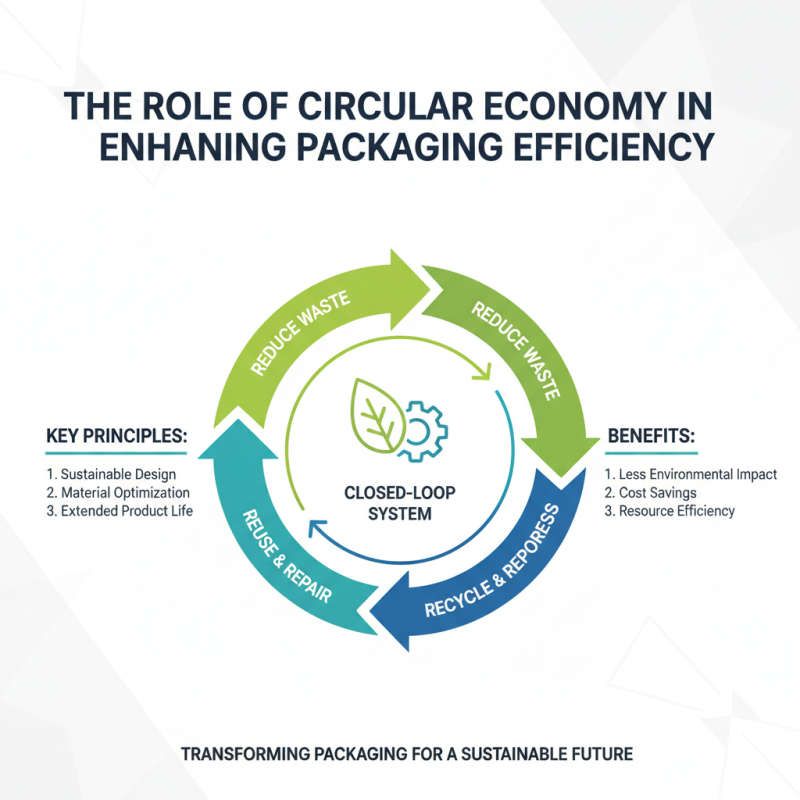
The concept of a circular economy is transforming packaging. It encourages systems where materials are reused, repaired, or recycled. This shift enhances efficiency and reduces waste. Packaging can be designed to fit seamlessly back into the production cycle.
Tips: Focus on materials that are easily recyclable or compostable. This can minimize landfill waste. Consider using refillable containers. This reduces the need for new resources.
Sustainability is not just about using green materials. The design process must also be efficient. Optimizing the materials used can reduce the overall carbon footprint. Many businesses still face challenges in tracking the lifecycle of their packaging. Transparency is essential for accountability. Reducing reliance on single-use plastics will reflect commitment to sustainability.
Tips: Regularly evaluate your packaging supply chain. Identify areas for improvement. Collaborate with local recycling initiatives to enhance reuse practices.
Key Technological Advances in Packaging Automation and Efficiency
In recent years, sustainability in packaging has become crucial for businesses. Key technological advances are enhancing automation and efficiency in this sector. According to a 2023 report from Smithers, the global packaging automation market is expected to grow to $25 billion by 2026. This growth reflects a shift toward greener practices that optimize resource use.
More companies are investing in smart packaging solutions. These innovations include sensors and QR codes that provide real-time data. Automation reduces waste and labor costs. However, the integration of these technologies is not without challenges. Many businesses encounter high initial costs and require substantial training. The learning curve can slow down the adoption process.
Tip: Focus on modular systems that allow gradual upgrades. This approach minimizes disruption and spreads out investment costs.
Efficient design is also vital. Simplifying packaging not only reduces material waste but enhances distribution. In fact, a study by the World Packaging Organization found that optimized packaging can lower transportation costs by up to 20%. Yet, companies must balance cost-cutting with maintaining quality. It’s essential to engage in continuous reflection on both consumer needs and environmental impact.
Tip: Track packaging performance metrics consistently to identify areas for improvement. Regular assessments ensure your packaging strategy remains aligned with sustainability goals.
Measuring the Environmental Impact of Packaging: Metrics and Standards
Measuring the environmental impact of packaging is crucial for sustainability. Various metrics and standards help businesses assess their practices. These measurements often focus on carbon footprint, resource usage, and recyclability. Understanding these metrics can lead to more informed decisions.
A practical tip is to evaluate the lifecycle of your packaging. From production to disposal, each stage contributes to its overall impact. Conducting a thorough analysis may reveal opportunities to reduce energy consumption. Engaging with industry guidelines can offer benchmarks for improvement.
Moreover, consider using eco-labels or certifications that reflect sustainability efforts. These can provide credibility and help consumers make informed choices. Regularly revisiting your metrics is essential. It allows for adjustments as standards evolve. Embracing transparency in your processes can also build trust with stakeholders. Sustainable packaging isn't a destination, but an ongoing journey.
2026 How to Optimize Global Packaging for Sustainability and Efficiency? - Measuring the Environmental Impact of Packaging: Metrics and Standards
| Packaging Type | Material Used | Recyclability (%) | Carbon Footprint (kg CO2eq) | Water Usage (liters) | Life Cycle Assessment (LCA) Score |
|---|---|---|---|---|---|
| Rigid Plastic | PET | 90% | 3.5 | 1.2 | 75 |
| Flexible Packaging | LDPE | 65% | 2.8 | 0.8 | 65 |
| Glass | Soda-Lime | 100% | 1.0 | 2.0 | 80 |
| Aluminum | Recyclable Aluminum | 95% | 2.0 | 1.5 | 70 |
| Paper | Recycled Paper | 85% | 1.2 | 1.0 | 72 |
Related Posts
-
Finding Quality Suppliers for Best Packaging Systems in a Global Market
-
China's Dominance in Global Manufacturing: Unveiling the Best Packaging Systems Driving Industry Growth
-
Mastering Best Industrial Packaging Specifications and Tips for Optimal Use
-

Top 10 Industrial Packaging Tips to Improve Efficiency and Reduce Costs
-

How to Choose the Right Liquid Filling Machine for Your Business Needs
-

7 Reasons Why the Best Packaging Machine Revolutionizes Your Production Line