

Top Machine Vision Inspection Tips for Better Quality Control?

In the world of manufacturing, the importance of quality control cannot be overstated. Machine Vision Inspection plays a crucial role in ensuring products meet high standards. Jonathan Smith, a renowned expert in the field, once stated, “Quality is not just a goal; it is a process.” This reflects the ongoing journey factories must take to achieve excellence.

Choosing the right machine vision system can be daunting. Properly implemented systems can enhance accuracy and efficiency. However, many businesses overlook crucial details, leading to ineffective inspections. For instance, inadequate lighting can severely impact image quality, making it hard for the system to detect defects. A simple oversight here can result in significant quality issues.

Investing in training is often neglected. Employees must understand how to operate these systems effectively. Without proper knowledge, they may misinterpret the data, leading to false positives or negatives. Machine Vision Inspection can elevate quality control, but it requires careful planning and execution. The pursuit of perfection in product quality is an ongoing challenge for many.
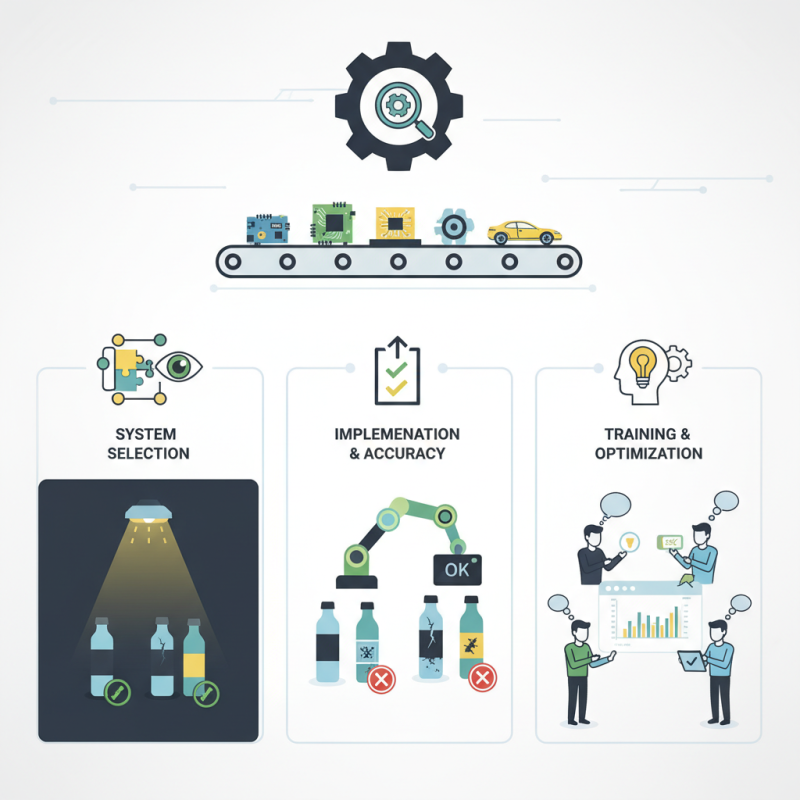
Top Machine Vision Inspection Tips for Better Quality Control?

Understanding Machine Vision in Quality Control

Machine vision plays a crucial role in quality control. It uses technology to automate inspection processes. This reduces human error and increases objectivity. Cameras capture images of products. Algorithms analyze these images for defects. Often, this system catches flaws that the human eye misses.

Implementing machine vision can be challenging. Lighting conditions can affect image quality. If the lighting is inadequate, errors may occur. Additionally, varying product shapes complicate inspection. A standard algorithm may not suffice for all applications. Custom solutions are often necessary.

Regular maintenance of the machine vision system is vital. Outdated software can lead to inaccuracies. Training staff on system operation enhances results. Despite its advantages, machine vision is not a silver bullet. Continuous assessment and adjustments are needed to improve accuracy. Quality control remains a dynamic process.

Key Components of Machine Vision Systems for Inspection

Machine vision systems play a crucial role in quality control. To build an effective system, understanding key components is essential. A camera captures images of products on a conveyor belt. The resolution affects detection accuracy. Higher resolution provides more detail, but it requires more processing power. Not all systems need high resolution. Sometimes, a standard camera suffices.

Lighting is another critical element. Proper illumination reveals product features clearly. Poor lighting can lead to shadows and reflections, which often result in missed defects. Using various light sources, such as LED or lasers, can enhance image quality. However, it’s essential to experiment with angles and intensities to find the right setup.

Image processing software transforms captured images into actionable data. This software analyzes defects, calculates dimensions, and detects anomalies. But even the best algorithms can make mistakes. Overfitting can occur if a system learns too many details, confusing it during real-world inspections. Regular system updates and testing are necessary to ensure reliability. Evaluating the performance continuously improves the system, making it more accurate over time.

Best Practices for Implementing Machine Vision Inspections

Implementing machine vision inspections can greatly enhance quality control in various industries. One important practice is to clearly define inspection requirements. What exactly needs to be checked? Measurements, colors, or even surface defects? Identify the critical parameters to maintain product integrity. Involving your team in this definition phase invites valuable insights.

Training personnel is another key factor. Not all employees may understand how to use the technology properly. Offering hands-on training can bridge this gap. Simple test runs with the actual products can help workers become comfortable with the inspection process. Regularly reviewing these practices ensures everyone stays updated.

Another aspect to consider is the technology itself. Machine vision systems can sometimes produce unexpected results. Regular maintenance and updates are essential. Consider feedback from users about any flaws they encounter. Is the system missing defects? Are there false positives? It's important to recognize these issues and adapt. Continuous improvement relies on open communication and adjustments.

Common Challenges in Machine Vision Quality Control

Machine vision quality control presents various challenges that can hinder effective inspection processes. One significant issue is lighting. Inconsistent lighting can affect how products are viewed, leading to missed defects. Shadows or glare can obscure details that a machine vision system needs to capture. Ensuring uniform lighting is vital for accurate inspections.

Another common challenge is image resolution. Low-resolution images may not reveal critical flaws. On the contrary, excessively high resolution can slow down processing time. Finding the right balance is crucial. Additionally, the complexity of certain shapes can complicate detection algorithms. A simple object may be easy to inspect, but intricate designs often pose problems.

Moreover, environmental factors play a huge role. Dust, smoke, or moisture can distort images. Regular maintenance of the inspection area is necessary. Implementing routine checks can help mitigate these issues. Even the best systems can struggle with varying sizes and shapes. Continuous improvement and adaptation are essential to maintain quality control standards.

Evaluating the Effectiveness of Machine Vision Inspections

Evaluating the effectiveness of machine vision inspections is vital for quality control. Accurate image processing can identify defects that human inspectors might miss. However, not all systems are foolproof. Poor lighting conditions can lead to misleading results. If the camera resolutions are low, even obvious defects might go unnoticed.

It's essential to regularly assess the algorithms used for inspections. Sometimes, outdated software may misinterpret data. This can result in unnecessary rejections or missed defects. Operators must engage in continuous learning. Understanding the common pitfalls can lead to better outcomes. Regular feedback loops are necessary. They help refine processes and improve detection rates over time.

Investing in employee training pays off. Staff with solid machine vision knowledge can spot issues early. They can tweak parameters for optimal performance. However, over-reliance on technology can be dangerous. Humans should always verify critical outcomes. Balancing technology with human insight can lead to superior quality control.

Error: Invalid action URL is detected.