

What Is a Liquid Filling Machine and How Does It Work?
A liquid filling machine is industrial equipment designed to dispense measured amounts of liquid into bottles, jars, tubes, or other containers. It supports consistent production in food, beverage, cosmetic, chemical, and pharmaceutical facilities. The machine may handle water-like products, thick creams, oils, or liquids containing small particles. Its design depends on viscosity, container shape, filling volume, and required production speed.
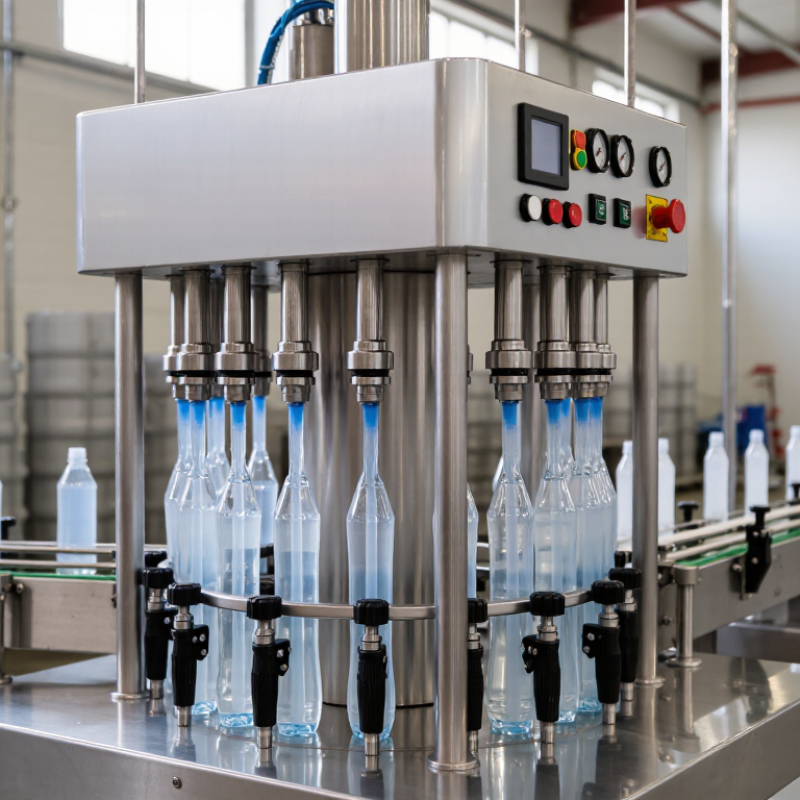
The working process is practical but carefully controlled. Empty containers enter through a conveyor and stop beneath filling nozzles. A pump, piston, gravity system, or flow meter transfers the product into each container. Sensors confirm container position and help prevent missed or uneven fills. After dispensing, the machine may allow dripping control before containers move toward capping and labeling equipment. Operators usually adjust the fill time, pressure, nozzle height, and conveyor speed.
Accuracy matters.
However, a simple explanation can hide important details. Temperature may change a liquid’s flow behavior. Foam can affect the measured volume. Nozzle design can also influence splashing, dripping, and product waste. Experienced technicians therefore test the machine with the actual product and containers before full production begins. They also inspect seals, clean product-contact parts, and verify settings through documented checks. The process is not flawless, especially when products vary between batches. This guide explains the main machine types, filling principles, operating steps, and maintenance considerations. It also examines practical limitations, so readers can make better equipment decisions based on verified production needs rather than attractive specifications alone.
What Is a Liquid Filling Machine?
A liquid filling machine is industrial equipment designed to transfer controlled amounts of liquid into containers. It improves speed, consistency, and workplace cleanliness during repeated filling tasks. Unlike manual pouring, it uses calibrated settings to control volume and reduce spills.
The machine may use piston, pump, gravity, or vacuum filling systems. Each method suits different liquid properties. Thin, water-like liquids flow easily. Thick creams need stronger pressure and slower movement. A typical machine includes a product tank, filling nozzles, valves, sensors, and a control panel. Nozzle design matters. It helps prevent dripping, splashing, and uneven levels.
During a normal cycle, empty containers move into position. Sensors confirm their location. The valves open, and the selected amount enters each container. The nozzles then close before the containers leave the filling area. Operators usually adjust speed, pressure, filling time, and nozzle height. They also check samples with a calibrated scale or measuring device. The result is not automatically perfect. Temperature can change viscosity, while foam may affect the visible fill level. A common mistake is trusting the displayed setting without checking actual samples. Cleaning the product path is equally important, especially when residues harden around valves or nozzles. Small adjustments often improve accuracy more than faster operation.
What Is a Liquid Filling Machine and How Does It Work?
| Data Dimension | Typical Information | How It Affects Filling | Common Applications |
|---|---|---|---|
| Basic Definition | A liquid filling machine is equipment that dispenses a measured quantity of liquid into bottles, jars, pouches, tubes, or other containers. | It improves fill consistency, reduces manual handling, and supports repeatable production. | Beverages, food products, cosmetics, household liquids, pharmaceuticals, and industrial fluids. |
| Main Operating Principle | Liquid is supplied from a tank or hopper, measured by a filling system, and transferred through one or more filling nozzles. | The selected measurement method determines accuracy, speed, and suitability for the product. | Suitable for both small-batch production and automated production lines. |
| Typical Process Sequence | Container positioning → nozzle movement → liquid dosing → nozzle shutoff → container release. | Coordinated timing helps prevent spills, overfilling, dripping, and container damage. | Inline, rotary, semi-automatic, and fully automatic filling systems. |
| Piston Filling | A piston draws a controlled volume into a cylinder and pushes it into the container. | Well suited to repeatable volume dosing and products with medium to high viscosity. | Creams, sauces, pastes, gels, lotions, and other thick liquids. |
| Peristaltic Filling | Rotating rollers compress flexible tubing to move liquid through the tube without direct contact with the pump mechanism. | It can reduce cross-contamination and is useful when gentle product handling is important. | Laboratory liquids, pharmaceutical solutions, cosmetics, and low-viscosity products. |
| Gravity Filling | Liquid flows from an elevated tank into containers under gravity, usually for a controlled period or to a set level. | It is simple and economical, but performance depends on product flow characteristics and tank conditions. | Thin, free-flowing liquids such as water-like cleaners and some beverages. |
| Overflow Filling | Excess liquid returns to the supply system after the container reaches a specified visible level. | It creates a consistent liquid appearance even when container internal volumes vary slightly. | Clear bottles containing shampoos, soaps, cleaners, and other liquid products. |
| Pump or Flowmeter Filling | A pump or flowmeter measures and transfers a target quantity of liquid into each container. | It supports controlled dosing across a broad range of products and container sizes. | Water-like liquids, oils, chemicals, beverages, and temperature-sensitive products. |
| Product Viscosity | Viscosity describes how easily a liquid flows. Low-viscosity liquids flow readily, while high-viscosity liquids require more force and time. | Viscosity influences nozzle size, pump selection, filling speed, and the need for heated or jacketed components. | Low-viscosity water and alcohol; medium-viscosity sauces and oils; high-viscosity creams and gels. |
| Container Compatibility | Machines may handle rigid or flexible containers made from materials such as glass, plastic, or metal. | Container shape, opening size, height, stability, and material affect changeover and positioning requirements. | Bottles, jars, cans, pouches, tubes, cartridges, and specialty containers. |
| Filling Accuracy | Accuracy depends on the filling method, product properties, equipment condition, container consistency, and operating settings. | Calibration, stable product supply, correct nozzle selection, and regular maintenance help reduce variation. | Especially important for regulated products, high-value liquids, and products sold by declared quantity. |
| Production Speed | Output depends on the number of filling heads, target fill volume, product flow, container handling, and operator workflow. | More filling heads can increase throughput, while thick or foamy products may require slower filling. | Single-head systems for small batches; multi-head systems for higher-volume production. |
| Foam Control | Some liquids create foam when they are pumped, sprayed, or dropped into containers. | Bottom-up filling, slower flow, submerged nozzles, or controlled nozzle movement can help minimize foam. | Detergents, beverages, personal-care liquids, and other aeration-sensitive products. |
| Drip Prevention | Shutoff valves, anti-drip nozzles, suction-back systems, or suitable nozzle designs help stop residual liquid from falling after filling. | Effective drip control keeps containers and conveyor surfaces cleaner and improves package appearance. | Thin liquids, foaming products, oils, syrups, and liquids with string-like flow behavior. |
| Automation Level | Semi-automatic machines require operator assistance for container placement or starting cycles; automatic machines integrate container handling and controls. | Higher automation can improve throughput and repeatability but usually requires greater setup and investment. | Small businesses, contract packers, and continuous manufacturing lines. |
| Control System | Controls may include timers, sensors, foot switches, programmable controllers, touchscreens, and recipe settings. | Controls coordinate filling cycles, detect containers, manage changeovers, and record operating parameters. | Production environments requiring repeatable settings and multiple product formats. |
| Cleaning and Sanitation | Product-contact components should be removable or designed for clean-in-place procedures according to the application. | Accessible construction and suitable materials help reduce residue buildup and support hygienic operation. | Food, beverage, pharmaceutical, cosmetic, and other hygiene-sensitive production. |
| Key Setup Variables | Important settings include fill volume, filling time, pump speed, nozzle height, conveyor speed, and product temperature. | Correct adjustment balances speed, accuracy, cleanliness, and product quality. | Required whenever the product, container, or target fill quantity changes. |
| Maintenance Requirements | Routine tasks include cleaning, inspection of seals and tubing, lubrication where applicable, calibration checks, and replacement of worn parts. | Regular maintenance supports reliable operation and helps prevent leaks, downtime, and inconsistent fills. | All liquid filling equipment, with frequency determined by usage and product characteristics. |
| Primary Benefits | Consistent dosing, reduced product waste, improved hygiene, lower manual effort, and scalable production. | These benefits can improve productivity and packaging consistency when the machine is correctly matched to the liquid and container. | Businesses moving from manual filling to repeatable, process-controlled production. |
Note: Actual filling speed and accuracy vary according to the product, container, filling method, machine configuration, and operating conditions. Equipment should be tested with the intended liquid and container before production use.
Related Posts
-
How to Choose the Right Liquid Filling Machine for Your Business Needs
-
Mastering Best Industrial Packaging Specifications and Tips for Optimal Use
-

Understanding the Significance of Automatic Packaging Machines in Modern Manufacturing
-
Top 10 Best Form Fill Seal Machines for Efficient Packaging Solutions?
-

Why Automated Packaging is the Future of Efficient Supply Chain Management
-
The Ultimate Guide to Choosing the Right Form Fill Seal Machine for Your Business