

10 Fountain Construction Tips for Global Buyers

Building a fountain for an international project is rarely only about choosing an attractive basin or powerful pump. Fountain Construction requires careful coordination between water engineering, architecture, electrical systems, local climate, and long-term maintenance. A fountain may look calm in a showroom, yet fail beside a windy hotel entrance. Small details matter. Nozzle height, splash control, filtration access, stone movement, and drainage capacity can change the entire result.

Mark Fuller, founder of WET Design, once described the creative goal this way: “We make water do things that people don’t expect.” That idea is useful for global buyers. A memorable fountain should create emotion, but dependable engineering must support it. Buyers should examine pump efficiency, material durability, control systems, installation tolerances, and replacement-part availability before approving the design. These questions are not glamorous. They prevent expensive surprises.

Climate deserves close attention. Freezing temperatures can damage hidden pipes. Strong sunlight may fade finishes. Coastal air can corrode ordinary metal quickly. Even a quiet courtyard needs safe overflow planning. Experienced suppliers should provide drawings, load information, testing procedures, and maintenance instructions in clear English. Certification requirements also vary by destination, so assumptions can become costly.

This guide presents ten practical Fountain Construction tips for global buyers. It focuses on decisions that affect appearance, safety, budget, and service life. Some recommendations may seem conservative. That is intentional. A beautiful fountain that cannot be serviced easily is not a successful project. Perfect planning is impossible, but thoughtful questions reduce avoidable risk.
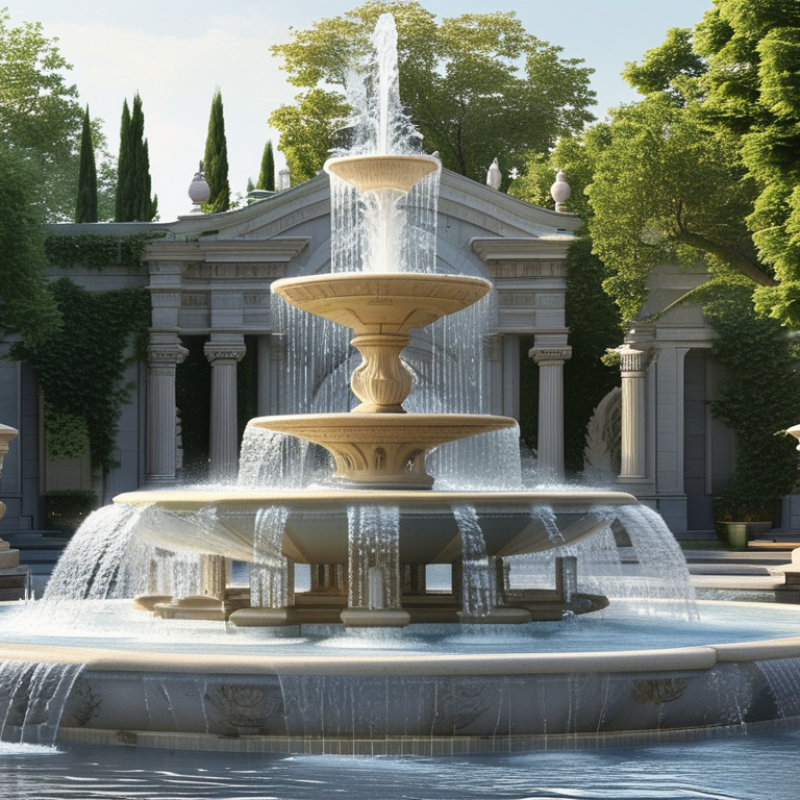
10 Fountain Construction Tips for Global Buyers

Define the Fountain’s Purpose, Location, and Target Audience

A fountain should begin with a clear purpose, not a catalog image. Will it welcome visitors, cool a courtyard, mark an entrance, or create a quiet pause? Each function changes the water pattern, basin size, lighting, and maintenance plan. Start with purpose. A commercial plaza may need a bold focal point, while a hotel garden may require softer sound levels.

Location deserves equal attention. Record the available footprint, ground slope, drainage route, sunlight, wind, and nearby pedestrian flow. A fountain beside dining tables can become unpleasant if spray drifts onto guests. Hard surfaces may amplify sound, while shaded areas can collect leaves and algae.

I have seen attractive concepts fail because technicians could not access the pump safely. That mistake is expensive.

Target audience also shapes the design. Families may value shallow visual movement and clear safety zones; office workers may prefer a calm, uncluttered setting. International buyers should ask local contractors about climate, water quality, cleaning access, and seasonal shutdowns. These details affect material selection and operating costs. Do not trust assumptions. A design that works in a dry inland plaza may struggle in a humid coastal city. Leave room for revision. Early drawings often look complete, but user behavior can reveal problems after installation.

Select Suitable Materials for Climate, Safety, and Long-Term Use

10 Fountain Construction Tips for Global Buyers

Select Suitable Materials for Climate, Safety, and Long-Term Use

Material selection should begin with the local climate, not appearance. A fountain exposed to strong sunlight needs surfaces that resist fading, cracking, and thermal movement. In freezing regions, porous stone can absorb water and split during repeated freeze-thaw cycles. Dense stone, properly rated concrete, or suitable ceramic finishes may perform better.

Coastal projects need extra care. Salt air can accelerate corrosion on metal frames, fasteners, pumps, and lighting housings. Choose corrosion-resistant components and isolate dissimilar metals where possible. In humid areas, smooth, non-absorbent surfaces help limit algae growth and simplify cleaning. However, no material stays maintenance-free. That assumption often causes avoidable costs.

Safety also depends on the material’s texture and construction details. Walking areas should provide reliable slip resistance when wet. Sharp edges deserve special attention, especially near public spaces and children’s areas. Use materials compatible with the water chemistry and cleaning methods. Some attractive finishes deteriorate quickly after aggressive treatment.

For long-term use, request test data, installation guidance, and maintenance records from qualified suppliers. Check how materials respond to ultraviolet exposure, pressure, temperature changes, and continuous water contact. Local building professionals should verify structural loads and electrical protection requirements. Small sample panels can reveal staining or color changes before full installation. This step feels slow, but replacing a failed finish is far more disruptive. Global buyers should also remember that shipping damage, local workmanship, and available replacement parts can affect real service life.

10 Fountain Construction Tips for Global Buyers - Select Suitable Materials for Climate, Safety, and Long-Term Use

No. Construction Focus Recommended Material or Specification Climate and Site Considerations Safety and Durability Guidance Practical Buyer Check
1 Choose a low-porosity basin surface Use dense natural stone, properly sealed concrete, ceramic tile, or glass-fiber-reinforced concrete with a compatible waterproofing system. Low-porosity surfaces are easier to clean and reduce water absorption in humid or freeze-prone environments. Specify a continuous waterproof layer and detail joints carefully to reduce leakage, staining, and freeze-thaw damage. Request water-absorption data, sealer compatibility information, and written installation requirements.
2 Select corrosion-resistant metal components Use stainless steel, bronze, or other metal alloys selected for the local water chemistry and exposure conditions. Coastal air, de-icing salt, chlorides, and acidic water can accelerate corrosion, especially in pumps, fasteners, and nozzles. Avoid incompatible metal combinations where galvanic corrosion may occur; use suitable isolating washers or fittings when required. Confirm the metal grade, chloride exposure limits, protective finish, and maintenance procedure.
3 Design for freeze-thaw climates Provide drain-down points, removable fittings, flexible connections, and materials rated for repeated temperature changes. Water expands by approximately 9% when it freezes, creating pressure that can crack pipes, basins, and fittings. Drain exposed lines and bowls before freezing conditions; do not rely only on antifreeze unless it is approved for the system and local regulations. Check the winterization plan, lowest-point drains, pipe slopes, and access to removable equipment.
4 Specify safe electrical protection Use weather-resistant electrical enclosures, correctly rated cables, grounding, bonding, and residual-current protection as required by local codes. Wet, humid, and outdoor locations increase the risk of electric shock and equipment deterioration. Keep electrical equipment separated from splash zones where possible. Installation must comply with the destination country’s electrical and building regulations. Require an electrical single-line diagram, enclosure rating, protection-device details, and inspection responsibility.
5 Control water hygiene Include filtration, circulation, accessible cleaning points, and a water-treatment approach suitable for ornamental water systems. Warm, stagnant water can support microbial growth; dust, leaves, and organic matter increase maintenance needs. Design to avoid dead legs and inaccessible pockets. Follow local public-health requirements where people may contact the water. Review turnover rate, filter access, cleaning frequency, chemical-storage safety, and water-contact restrictions.
6 Size pumps for actual hydraulic demand Select the pump using required flow, total dynamic head, nozzle pressure, pipe friction, elevation, and filtration losses. Long pipe runs, high elevations, and narrow or dirty filters can significantly reduce fountain performance. Use dry-run protection, isolation valves, strainers, and accessible pump controls. Oversized pumps can increase splash, noise, and energy use. Request a pump curve showing the operating point, flow rate, head, power input, and expected noise level.
7 Plan for wind and water loss Use adjustable nozzles, wind-sensitive spray heights, splash-control edges, and an automatic make-up water system where appropriate. Wind increases evaporation and drift, while hot and dry climates may require more frequent water replenishment. Keep spray away from walkways, electrical equipment, and neighboring property. Include overflow protection and a visible low-water shutoff. Check the design wind assumption, spray radius, overflow route, make-up water control, and water-use estimate.
8 Provide slip-resistant surrounding surfaces Use exterior paving with suitable wet slip resistance, positive drainage, rounded transitions, and minimal trip hazards. Algae, frost, rain, and overspray can make smooth surfaces hazardous, especially in public or high-traffic areas. Slope adjacent paving toward properly sized drains without creating ponding. Avoid abrupt level changes around the basin. Request the applicable slip-resistance classification, drainage layout, edge details, and cleaning schedule.
9 Design accessible maintenance zones Include lockable access panels, service clearances, lifting points, isolation valves, and replaceable filters and nozzles. Remote or difficult-to-access sites need simpler service procedures and robust spare-parts planning. Maintenance areas should be safe, dry where possible, adequately ventilated, and protected from unauthorized access. Verify maintenance clearance, component weights, access-door dimensions, spare-parts list, and service intervals.
10 Account for structural movement and long-term loading Use an engineered base, movement joints where needed, flexible pipe connections, and reinforcement designed for soil and water loads. Settlement, expansive soils, seismic activity, and temperature changes can stress the basin and connected pipework. Have a qualified local engineer verify foundation design, drainage, anchoring, structural loads, and code compliance. Obtain soil information, structural calculations, installation tolerances, warranty limits, and a documented inspection plan.

Plan Water Systems, Pump Capacity, Drainage, and Electrical Access

10 Fountain Construction Tips for Global Buyers

Plan the water system before choosing decorative features. Measure required flow, static head, pipe length, bends, filters, and nozzle pressure. The U.S. Department of Energy reports that pumping systems can represent about 25% of industrial electricity use. A fountain is smaller, but inefficient selection still wastes energy daily. Choose a pump near its best efficiency point, then verify performance using the actual system curve. Oversizing feels safe. It often creates splash, noise, and unnecessary throttling.

Pump capacity must support peak demand, not only the average display. Consider evaporation, wind, filter fouling, and seasonal water levels. A duty pump with standby capacity may protect busy public installations, although smaller projects may not justify duplication. The International Energy Agency states that motor-driven systems consume more than half of global electricity. Variable-speed control can reduce output during quiet periods, but it cannot repair poor pipe sizing.

Drainage needs equal attention. Provide a visible overflow, accessible drain, cleanout points, and a sump where gravity discharge is impossible. Confirm local rainfall intensity before sizing storm connections. Keep electrical access dry and reachable, with residual-current protection, proper bonding, isolation, and enclosures rated for wet locations under applicable local codes. The International Electrotechnical Commission’s low-voltage installation guidance supports careful protection against moisture and electric shock. Site conditions vary. My own design reviews have sometimes underestimated maintenance access, especially around buried valves. Leave room for hands, tools, and future mistakes.

Compare Suppliers, Customization Options, Certifications, and Costs

10 Fountain Construction Tips for Global Buyers

Compare Suppliers, Customization Options, Certifications, and Costs

Choose suppliers with documented experience in public, hotel, and residential fountain projects. Ask for drawings, pump schedules, material samples, and maintenance records. Visit a completed installation when possible. Photos can hide uneven stone joints and noisy equipment.

Compare quotations line by line. Check whether shipping crates, installation support, taxes, spare pumps, and commissioning are included. A low price may exclude essential controls. Request a five-year operating estimate, including electricity, water treatment, cleaning, and replacement parts. My early estimates were too optimistic. Energy use often becomes the largest long-term expense.

Customization should cover basin dimensions, nozzle height, lighting color, control systems, stone finish, and local water conditions. Confirm tolerances before production begins. Small changes can affect hydraulic balance and structural loads. Review corrosion resistance for coastal locations. Ask for material certificates and test reports. Electrical components should meet the destination market’s safety requirements. Confirm relevant waterproofing, electrical, structural, and machinery certifications with qualified local professionals. Documents must match the delivered components, not just the proposed design.

Use a written inspection plan with factory checks, packaging photos, and delivery measurements. Include clear warranty terms and response times. Keep replacement nozzles and seals available locally when practical. Leave room for adjustment. Water behavior may differ after installation. Pilot testing is wise, although it adds cost and delays. Suppliers should explain limitations honestly, because a beautiful rendering cannot guarantee reliable performance.

Verify Installation Requirements, Maintenance Plans, and Shipping Details

10 Fountain Construction Tips for Global Buyers

Global buyers should verify installation requirements before approving a fountain design. Confirm the basin dimensions, foundation strength, water source, drainage route, and electrical capacity. A beautiful drawing cannot solve an undersized pump room. Ask for installation drawings, load data, wiring diagrams, and clear site preparation instructions. Local professionals should review electrical and structural requirements. Climate matters too. Freezing temperatures, salt air, dust, and intense sunlight can change material and equipment choices.

Request a practical maintenance plan, not general promises. It should identify cleaning intervals, filter replacement, pump inspections, water treatment, and winter protection. Confirm which spare parts are available locally and how quickly technical support responds. Operators also need basic training, including safe shutdown procedures and water-level checks.

I have seen projects fail because maintenance responsibility was assumed, not written down. That mistake is avoidable. Still, some maintenance estimates remain too optimistic, especially in dusty or heavily used public areas.

Shipping details deserve the same attention as construction drawings. Confirm packaging standards, crate dimensions, gross weight, delivery terms, insurance coverage, and customs documents. Check whether the shipment includes every fitting, cable, nozzle, and control component. Ask for a realistic production schedule and a separate transport estimate. Photograph crates before opening them, then record visible damage immediately. International delivery can involve delays. Build time into the project plan.

My own planning would leave more allowance than expected, because ports, inspections, and weather rarely follow the original schedule.

Error: Invalid action URL is detected.