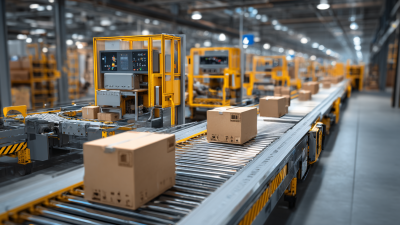
2026 How to Choose the Right Packaging Equipment for Your Business?

Choosing the right packaging equipment is essential for any business aiming to thrive in today's competitive market. According to a recent report by Smithers Pira, the global packaging machinery market is projected to reach $50 billion by 2026. This growth highlights the critical role packaging plays in supply chains and customer satisfaction. With advancements in technology, businesses have more options than ever, but this can lead to confusion in decision-making.

Inadequate packaging equipment can cost companies time and money. Poorly sealed products result in damage, increasing returns and reducing customer loyalty. Furthermore, the wrong machinery can hinder operational efficiency and elevate production costs. Many companies overlook these factors when choosing packaging solutions and later regretted their decisions.

Understanding your specific packaging needs is vital. Consider production volume, product type, and market trends. A one-size-fits-all solution rarely works effectively. By investing time in research, businesses can avoid pitfalls and select the right packaging equipment that aligns with their operational goals and customer expectations.
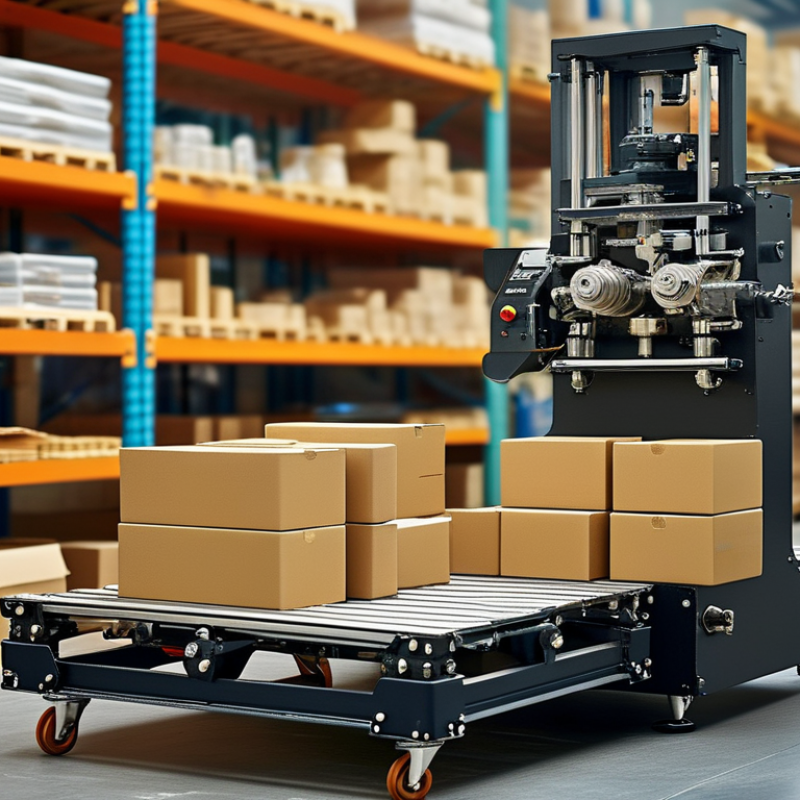
2026 How to Choose the Right Packaging Equipment for Your Business?

Understanding Your Packaging Needs for Business

Choosing the right packaging equipment begins with understanding your business's unique packaging needs. Each industry has distinct requirements that influence packaging decisions. For instance, food packaging must meet stringent safety regulations while ensuring freshness. Reports indicate that the global food packaging market is projected to reach $500 billion by 2026, underscoring the need for efficient equipment.

Assessing your production volume is crucial. If your business experiences peak seasons, flexible and scalable equipment might be necessary. Recent studies show that companies investing in automated packaging solutions report up to a 30% increase in efficiency. However, automation can sometimes lead to over-dependence on machinery, resulting in challenges during breakdowns.

Additionally, consider the type of materials you'll be using. Sustainable packing options are increasingly favored, with 54% of consumers willing to pay more for eco-friendly products. This trend is prompting businesses to adapt their equipment. Failing to align equipment with sustainability goals may alienate a growing customer base. Balancing efficiency, sustainability, and cost is key in selecting the right packaging machinery for your business's long-term success.

How to Choose the Right Packaging Equipment for Your Business?

Assessing Different Types of Packaging Equipment

When assessing different types of packaging equipment, begin by understanding your product's specific needs. Each type of equipment serves distinct functions. For instance, automated machines increase efficiency for high-volume productions, while manual tools are better suited for smaller batches. Evaluate the size, weight, and fragility of your products. This will guide you in selecting the right system.

Consider the technology involved. Some machines offer advanced features like real-time monitoring and data analytics. These can enhance operational efficiency. However, they may come with a higher initial investment. Reflect on whether your business can support such an investment. It’s critical to balance innovation with practicality to avoid overspending.

Don’t overlook maintenance and support. All machinery requires upkeep, and having a reliable service partner is essential. Investigate the ease of sourcing parts and the availability of trained technicians. Being aware of potential challenges can help in making a more informed decision. Think about how varying features align with your production goals. This reflection can lead you to a more suitable choice.

Key Features to Look for in Packaging Machinery

Choosing the right packaging equipment can significantly impact your business operations. Key features to consider include flexibility, speed, and ease of use. Flexible machines can adapt to various product sizes and types. This versatility allows businesses to meet changes in demand swiftly. Speed is crucial in maintaining the flow of production. Equipment that operates faster can lead to higher efficiency but may require more attention to detail.

Another important aspect is the user interface. Intuitive controls make training easier and reduce the risk of errors. Simple design can also minimize downtime. Look for machinery that can easily integrate with existing systems. Compatibility leads to smoother operations. Regular maintenance and support are necessary, too. Reliable customer service can prevent costly interruptions.

It's vital to assess the long-term costs and benefits of the machinery. Cheaper equipment may save money upfront, but could incur higher maintenance costs. Heavy-duty equipment often requires significant investment but lasts longer. Ensure that the equipment aligns with your production goals. Making informed decisions based on these features can streamline your packaging process. Mistakes in this area can lead to inefficiencies, so thoughtful consideration is essential.

Evaluating Cost vs. Efficiency in Packaging Solutions

When choosing packaging equipment, businesses must weigh cost against efficiency. A recent industry report indicates that inefficient packaging can cost companies up to 30% more in operational expenses. This underscores the importance of selecting machinery that optimizes both speed and resource utilization. For instance, automated packaging solutions can reduce labor costs by up to 50%, providing a significant return on investment.

However, the initial investment in advanced equipment may seem daunting. Small to medium-sized enterprises often struggle to justify these expenses. It's crucial to balance short-term costs with long-term savings in mind. When assessing equipment, look for models that offer scalability. This adaptability can prevent costly upgrades as your business grows.

Companies should also consider the trade-offs of various technologies. For example, while high-speed machines may boost throughput, they might be less flexible with product changes. Examine your needs thoroughly. Sometimes, investing in slightly less advanced equipment can yield a better fit for your specific operations. Understanding the nuances of packaging solutions is vital for making informed decisions.

2026 How to Choose the Right Packaging Equipment for Your Business? - Evaluating Cost vs. Efficiency in Packaging Solutions

Packaging Equipment Type Cost ($) Efficiency (Units/hour) Ease of Use (Scale 1-5) Maintenance Frequency (Months)
Automatic Wrapper 15,000 120 4 6
Semi-Automatic Sealer 8,000 75 3 8
Labeling Machine 12,000 100 5 12
Palletizer 25,000 180 3 10
Strapping Machine 10,500 90 4 9

Future Trends in Packaging Equipment Technology

In the evolving landscape of packaging equipment technology, several future trends are shaping the industry. Automation is at the forefront, providing efficiency and consistency. More businesses are using smart technology, like IoT-enabled devices, for real-time monitoring. This can save time and reduce human errors. However, adopting such technology requires significant investment and training.

Sustainability is another crucial trend. Companies are seeking eco-friendly materials and processes. Biodegradable packaging options are gaining popularity. While this shift is admirable, it poses challenges in production and cost management. Many businesses find it hard to balance eco-friendliness with profitability.

Customizability is increasingly in demand. Customers want packaging tailored to their products and branding. Advanced machinery now allows for greater personalization. However, this requires careful planning and flexibility in production lines. Businesses must reflect on their capabilities before committing to such changes. Embracing these trends can lead to growth, but they also require a thorough evaluation of resources and goals.

Error: Invalid action URL is detected.