

How to Choose the Best Silicon Sealant for Your Projects?

Choosing the right Silicon Sealant is critical for successful projects. With the global construction sealants market projected to reach $12 billion by 2024, understanding this product is more essential than ever. Silicon sealants offer excellent flexibility, durability, and resistance to moisture, making them suitable for diverse applications. However, not all sealants are created equal.

Professional reports indicate that the performance of silicon sealants can significantly vary based on formulation and intended use. Users often underestimate these factors. For example, while some sealants are perfect for bathroom fixtures, others excel in outdoor environments. It is vital to analyze specifications and application methods.

Selecting a silicon sealant involves weighing several factors. The range of options can be overwhelming. Users may find themselves confused by different brands and types. Reflecting on past experiences with sealants can highlight common missteps. The need for reliable data and product understanding is crucial. Professional guidance and thorough research can lead to more informed decisions.
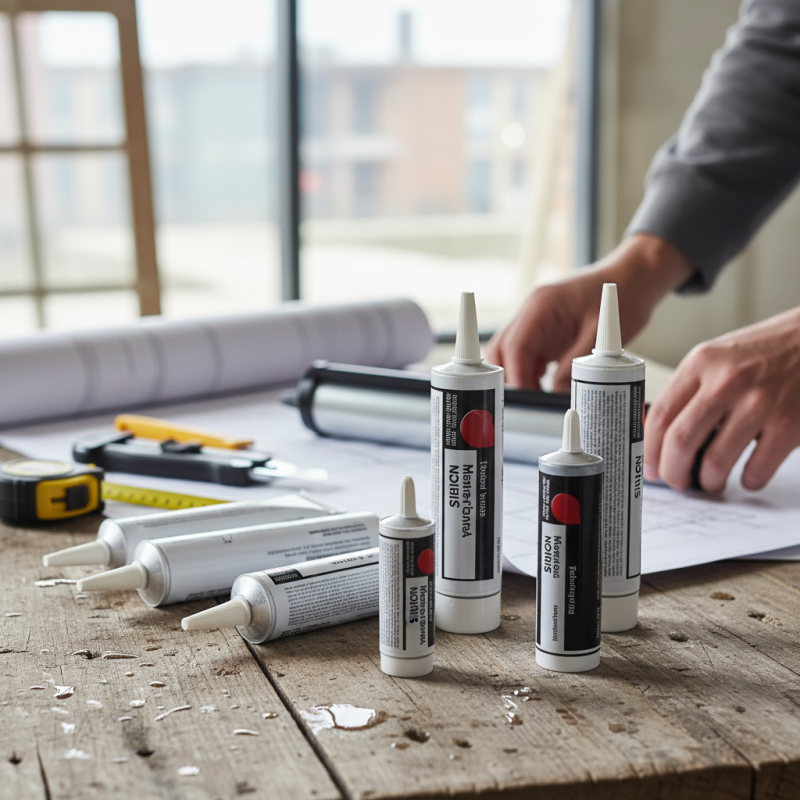
How to Choose the Best Silicon Sealant for Your Projects?

Understanding the Different Types of Silicon Sealants Available Today

Choosing the right silicon sealant can significantly impact your project’s success. Various types cater to different needs. Each type has its own unique properties, suitability, and ideal applications.

For instance, general-purpose silicon sealants are versatile. They bond well to multiple surfaces, like wood, glass, and metal. These are best for indoor projects. Specialty sealants, however, provide enhanced flexibility and weather resistance. They are ideal for outdoor applications.

Another category includes high-temperature sealants. These withstand extreme heat, perfect for use in kitchens or fireplaces. Selecting the right sealant requires understanding your specific project needs. Consider exposure to elements, movement, and temperature variations. A wrong choice may lead to failure, causing more work later on. Reflecting on your requirements is key.

Key Factors to Consider When Selecting Silicon Sealant for Projects

When selecting silicon sealant for your projects, understanding key factors is essential. First, consider the specific application. Not all silicon sealants are alike; some work better in high-temperature environments, while others are designed for aquatic conditions. According to industry studies, approximately 40% of project failures are linked to improper sealant selection.

Next, assess the sealant's adhesion properties. A strong bond is crucial for ensuring durability over time. Data from a recent report indicates that sealants with a higher modulus offer better performance in structural applications. Choosing the right hardness can also influence longevity. A sealant that is too rigid may crack, while one that is too soft may not provide adequate support.

Lastly, examine curing time and durability ratings. Quick-curing options may seem appealing, but they often come with trade-offs. Research shows that products with longer curing times tend to perform better in challenging conditions. While the marketing claims may promise efficiency, actual performance may vary significantly. Always check for third-party certifications to gauge reliability. Each project demands careful consideration of these factors for the best outcome.

How to Choose the Best Silicon Sealant for Your Projects? - Key Factors to Consider When Selecting Silicon Sealant for Projects

Feature Description Recommended Use Cure Time
High Elasticity Ability to stretch and compress without losing integrity. Windows, doors, and automotive applications. 24 hours
Temperature Resistance Can withstand extreme temperatures without degrading. Kitchen and bathroom applications, high-heat areas. 24-48 hours
Mildew Resistance Prevention of mold and mildew growth in wet environments. Bathrooms, showers, and kitchens. 24 hours
UV Resistance Resists degradation from sunlight exposure. Outdoor applications, roofing, and siding. 24 hours
Paintability Can be painted over to match surrounding surfaces. Interior and exterior finishing work. 24-48 hours

Evaluating Performance Metrics: Adhesion, Durability, and Flexibility

When selecting a silicon sealant, evaluating performance metrics is essential. Adhesion is a crucial factor. A study from the Adhesives and Sealants Council shows that effective adhesion can reduce the risk of water penetration by up to 85%. Sealants must bond well to different surfaces. Testing shows that some products perform poorly under extreme conditions. It’s vital to consider where the sealant will be applied to ensure optimal performance.

Durability follows closely. A sealant's lifespan can vary significantly based on its composition. Research indicates that high-quality sealants last up to 25 years under proper conditions. However, not all sealants can withstand UV exposure or temperature fluctuations. Many fail to perform well in extreme weather. This short lifespan can lead to potential costly repairs.

Flexibility is another pivotal characteristic. Sealants must tolerate movement without cracking. Industry data shows that sealants with high elasticity experience 30% less failure in dynamic environments. Low flexibility can result in sealant failure. Revisiting your project’s requirements and environment helps to make more informed decisions. Careful evaluation of these metrics leads to better project outcomes.

The Importance of Temperature Resistance in Silicon Sealant Selection

When selecting silicon sealant for your projects, temperature resistance is crucial. High and low temperatures affect the adhesive's performance. For example, a sealant that excels in warmth may fail in cold conditions. Understanding the specific temperature range of your environment helps you choose wisely.

Many sealants claim versatility, yet their actual temperature resistance varies. Testing a small sample in your intended environment is advisable. Construction sites and outdoor settings can expose sealants to unexpected conditions. Be aware of these challenges to prevent future failures.

Choosing a sealant with appropriate temperature resistance requires attention. Sometimes, opting for a product that offers better thermal stability is essential. Avoid assuming one size fits all. Insufficient research can lead to issues like cracking or delamination. Reflect on your project's demands and adjust your choice accordingly.

Industry Trends: Eco-Friendly Silicon Sealants and Their Market Impact

The demand for eco-friendly silicon sealants is rising. More consumers are becoming aware of their environmental footprint. Manufacturers are responding with sustainable options. These sealants often use less volatile organic compounds (VOCs). This makes them safer for both users and the environment.

Market trends show an increase in green building practices. Construction projects now emphasize sustainability. Eco-friendly silicon sealants fit well within this framework. They provide excellent adhesion and durability while minimizing ecological harm. Consumers may still lack knowledge about these products. This presents a challenge, as education is key for widespread adoption.

Choosing the right sealant involves assessing project needs. Not all eco-friendly options perform equally. Some may not offer the same strength or longevity as traditional products. Users need to read specifications carefully. Balancing environmental concerns with performance is crucial. Continuous research and product testing help bridge this gap. Ultimately, making informed choices can lead to better outcomes for projects and the planet.

Article Source:

Error: Invalid action URL is detected.